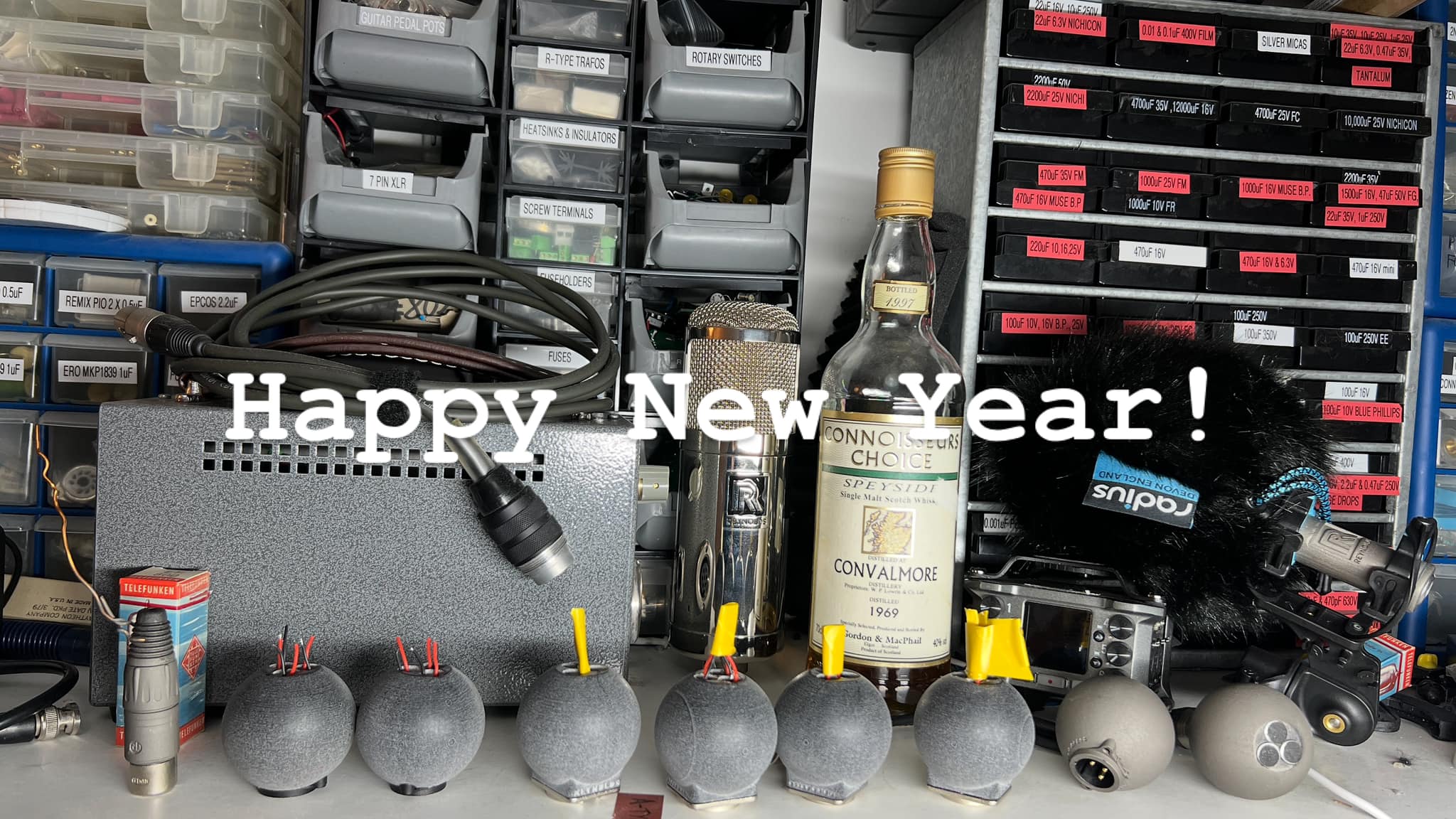

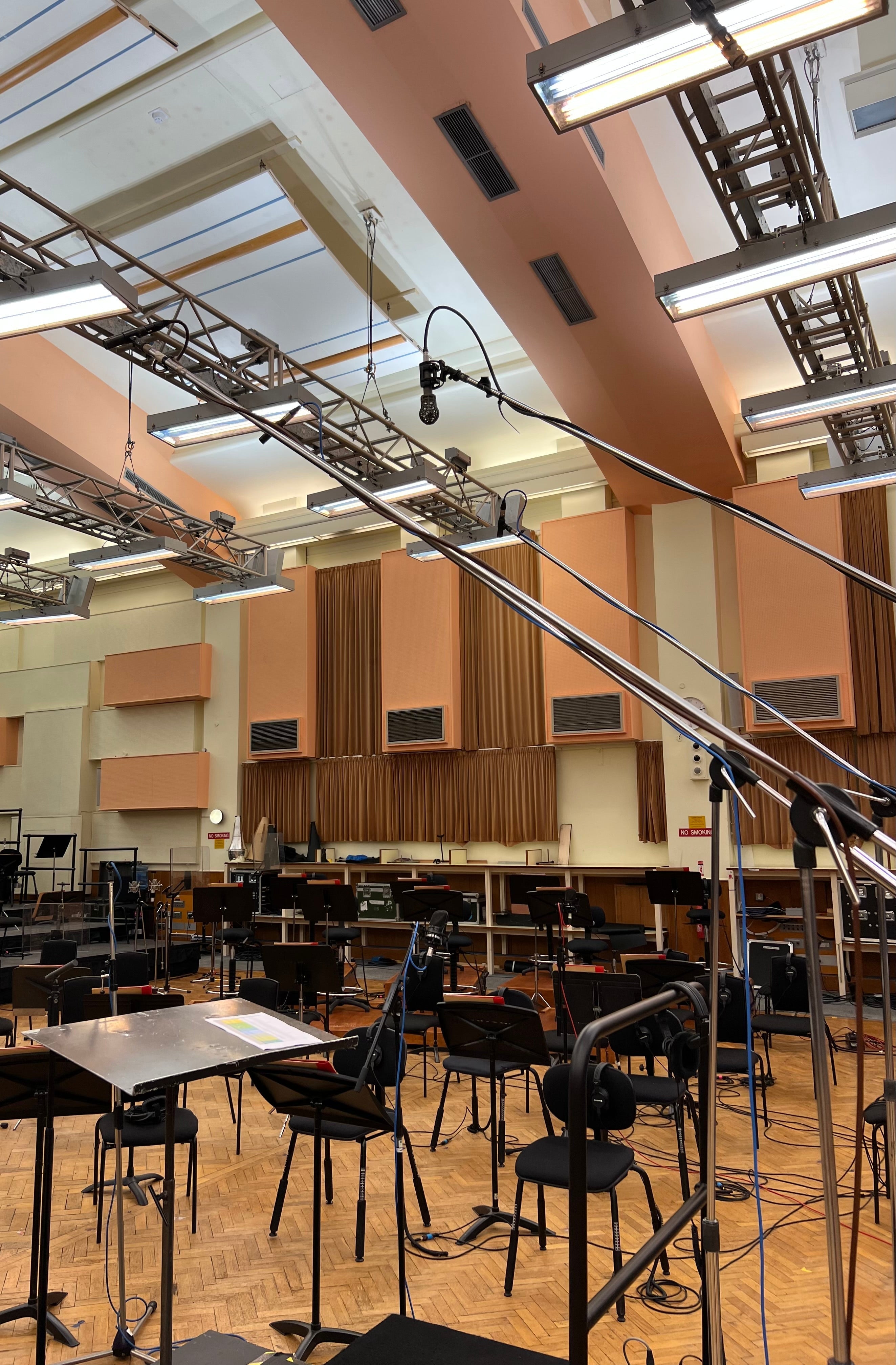
Mike Hatch from Floating Earth kindly allowed me to show these beautiful recordings he made with just the Reynolds A-Type 8 second order ambisonic microphone.

No processing has been applied aside from conversion from the eight raw A-Format signals to B-Format ambisonics using the Atmoky Encoder VST plugin with the Bass and Air settings engaged, essentially giving a little boost below 40Hz and above 13KHz.

The second-order nine-channel B-Format has then been rendered to binaural (so make sure you listen/watch with your headphones on) using the Sparta ambiBin VST set to MagLS with the Sadie ii KU100 SOFA file at 48KHz 24Bit.

Hopefully Youtube has preserved the audio quality but if you would like to hear the files in your own DAW (Reaper is recommended) you can download the A-Formats, a couple of binaural renders and the Atmoky Encoder VST here:

Latest Stories

View all

Sounding Wild: Recording Nature with Reynolds Microphones

Sounding Wild: Recording Nature with Reynolds Microphones

Axel Drioli of Sounding Wild explaining how he uses Reynolds Microphones to record the sounds of nature.

Read moreabout Sounding Wild: Recording Nature with Reynolds Microphones

Prototyping with Acrylic Spheres and Electret Capsules

Prototyping with Acrylic Spheres and Electret Capsules

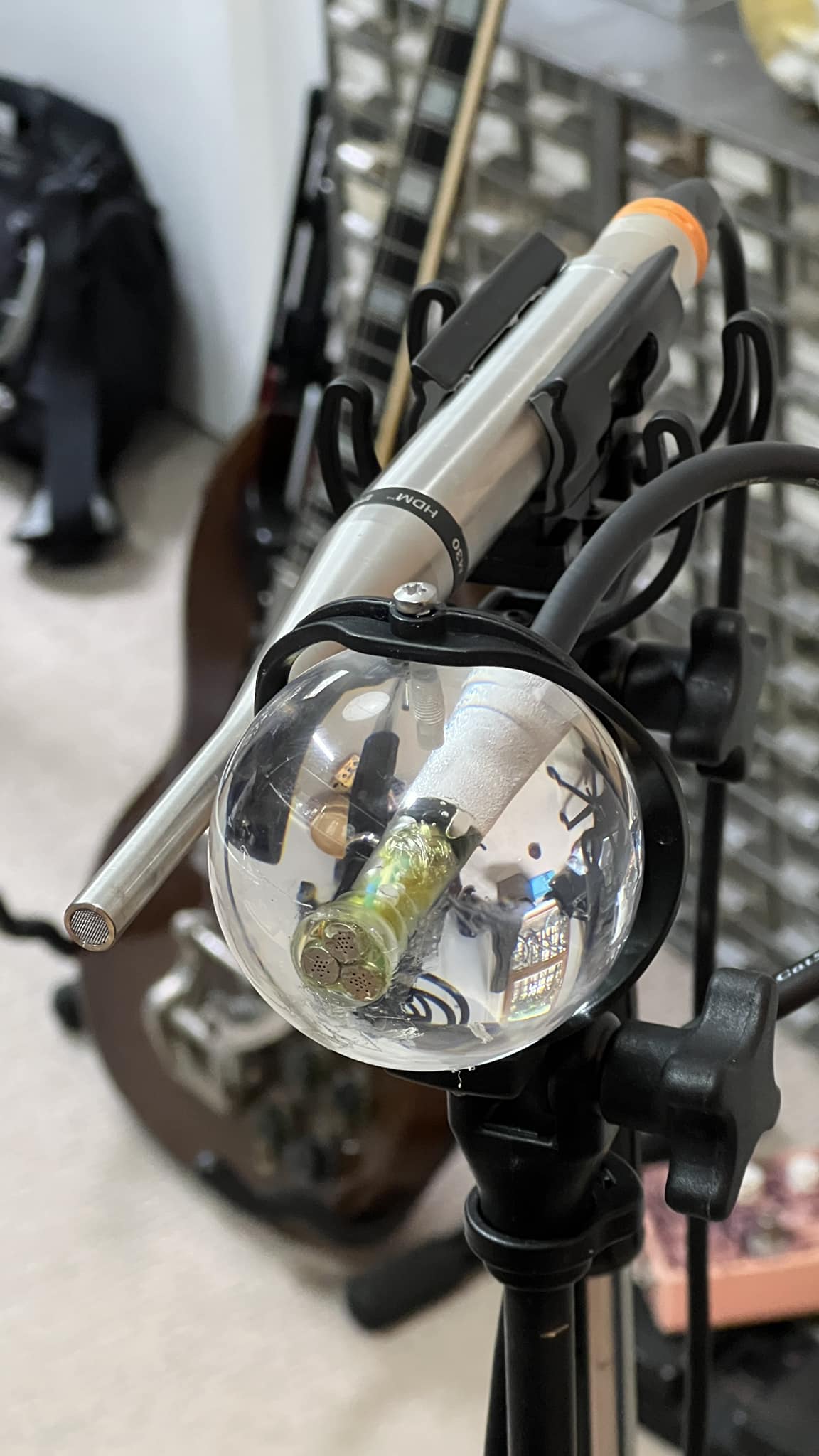
I’ve been back in the lab this week, doing some more hands-on prototyping — one of my favourite parts of the process.

This time, I’ve been working with 60mm acrylic spheres and fitting them with three 6mm electret condenser capsules. These little capsules have a surprisingly full frequency response — a true 20Hz to 20kHz — which makes them great for capturing detailed, natural sound in a compact form.

Read moreabout Prototyping with Acrylic Spheres and Electret Capsules

Kicking Off 2025 with a New Microphone Design

Kicking Off 2025 with a New Microphone Design

Happy New Year! I’ve been starting 2025 in the best possible way — by diving into a new spherical mic design I’ve had on my desk during the Christmas break.

Read moreabout Kicking Off 2025 with a New Microphone Design